
1 / 55
enlarge

2 / 55
enlarge


3 / 55
enlarge

4 / 55
enlarge
5 / 55
enlarge
6 / 55
enlarge
7 / 55
enlarge
8 / 55
enlarge
9 / 55
enlarge
10 / 55
enlarge
11 / 55
enlarge
12 / 55
enlarge
13 / 55
enlarge

14 / 55
enlarge
15 / 55
enlarge

16 / 55
enlarge
17 / 55
enlarge
18 / 55
enlarge

19 / 55
enlarge
20 / 55
enlarge
21 / 55
enlarge
22 / 55
enlarge
23 / 55
enlarge
24 / 55
enlarge
25 / 55
enlarge
26 / 55
enlarge
27 / 55
enlarge
28 / 55
enlarge

29 / 55
enlarge
30 / 55
enlarge
31 / 55
enlarge
32 / 55
enlarge
33 / 55
enlarge

34 / 55
enlarge

35 / 55
enlarge

36 / 55
enlarge

37 / 55
enlarge
38 / 55
enlarge
39 / 55
enlarge
40 / 55
enlarge
41 / 55
enlarge
42 / 55
enlarge
43 / 55
enlarge

44 / 55
enlarge

45 / 55
enlarge
46 / 55
enlarge

47 / 55
enlarge

48 / 55
enlarge
49 / 55
enlarge

50 / 55
enlarge
51 / 55
enlarge

52 / 55
enlarge
53 / 55
enlarge
54 / 55
enlarge
55 / 55
enlarge


Gallery
La materia che respira, l’aria che conserva
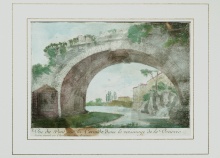
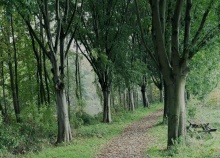
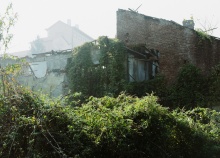
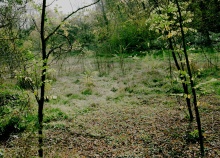
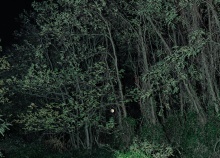
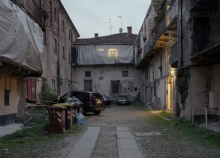
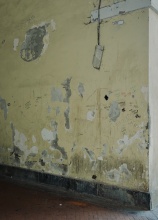
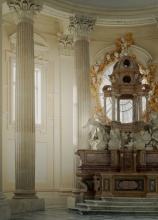
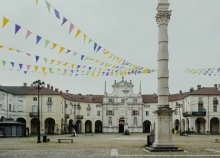
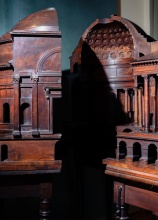
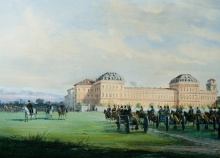
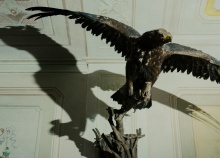
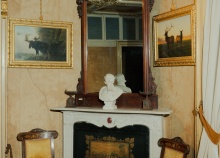
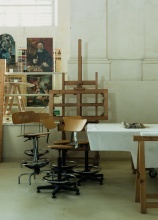
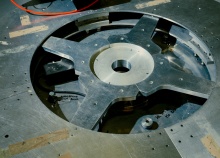
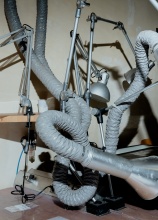
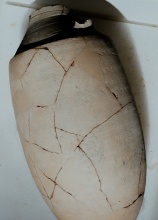
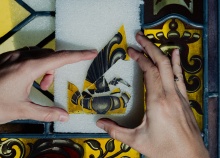
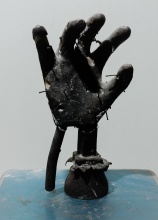
ita - Questo lavoro nasce da un periodo di permanenza a Venaria Reale e da un attraversamento lento del territorio, sviluppandosi attorno ai resti dell’ex SNIA Viscosa e ai luoghi che ne conservano ancora tracce atmosferiche, materiali e simboliche. Le immagini mettono in relazione paesaggio, architettura, acqua e spazi di conservazione, osservando il modo in cui la materia continui a trasformarsi oltre l’esaurimento della propria funzione.
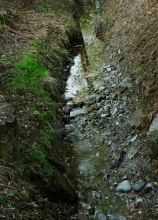
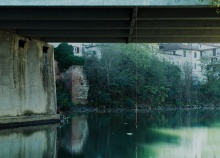
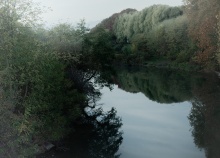
Elemento centrale del progetto è il torrente Ceronda, presenza che attraversa il territorio e ne condiziona profondamente la memoria collettiva. Per anni percepito dalla comunità come elemento insieme vitale e distruttivo, il fiume ha inciso il paesaggio attraverso esondazioni e alterazioni continue, imponendo una forza non del tutto governabile. Più che semplice elemento naturale, il Ceronda emerge come corpo autonomo, dotato di una propria capacità di azione, capace di trasformare lo spazio e di ridefinire il rapporto tra presenza umana e ambiente.
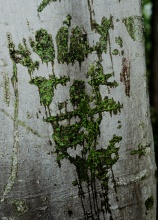
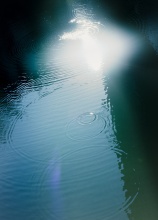
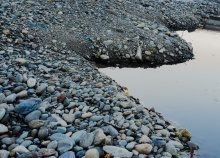
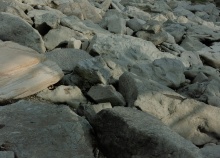
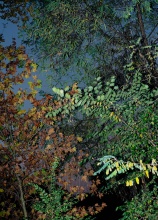
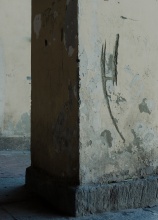
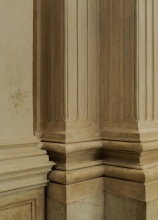
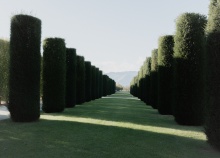
L’acqua, la vegetazione, le superfici e gli interni diventano così forme instabili, attraversate da processi di erosione, accumulo e mutazione. In questo contesto, l’aria assume il ruolo di archivio invisibile: un elemento che trattiene residui, stratificazioni e permanenze, custodendo ciò che continua a esistere anche dopo la scomparsa della sua funzione originaria.
Il lavoro si colloca in una soglia sottile tra naturale e artificiale, memoria e trasformazione, osservando il paesaggio non come solo palcoscenico del quotidiano, ma come organismo vivo, continuamente inciso dal tempo, dalla materia e dalle forze che lo attraversano.
eng - This work emerged from a period of permanence in Venaria Reale and from a slow traversal of the territory, unfolding around the remains of the former SNIA Viscosa factory and the places that still preserve its atmospheric, material, and symbolic traces. The images establish a relationship between landscape, architecture, water, and spaces of preservation, observing the ways in which matter continues to transform beyond the exhaustion of its original function.
A central element within the project is the Ceronda stream, a presence that crosses the territory and deeply shapes its collective memory. For years, the river has been perceived by the local community as both vital and destructive, carving into the landscape through recurrent floods and continuous alterations, imposing a force never entirely governable. More than a simple natural element, the Ceronda emerges here as an autonomous body, endowed with its own agency, capable of transforming space and redefining the relationship between human presence and environment.
Water, vegetation, surfaces, and interiors consequently become unstable forms, traversed by processes of erosion, accumulation, and mutation. Within this context, air assumes the role of an invisible archive: an element capable of retaining residues, stratifications, and forms of persistence, preserving what continues to exist even after the disappearance of its original function.
The work inhabits a subtle threshold between natural and artificial, memory and transformation, observing the landscape not as a backdrop, but as a living organism continuously marked by time, matter, and the forces that move through it.
